Beginner camping setup guide
Beginner camping setup guide
Essential Gear for Beginner Campers
So, you’ve decided to take the plunge and go camping for the first time. Congratulations! Camping can be a fun and rewarding experience, but it’s important to make sure you have the right gear to make your trip a success. In this beginner camping setup guide, we’ll go over some essential gear that every beginner camper should have.
First and foremost, you’ll need a tent. When choosing a tent, make sure to consider the size of your group and the weather conditions you’ll be camping in. A good rule of thumb is to choose a tent that can accommodate one or two more people than you actually have, to allow for extra space for gear. Look for a tent that is easy to set up and take down, as this will make your camping experience much more enjoyable.
Next, you’ll need a sleeping bag and sleeping pad. A good sleeping bag will keep you warm and comfortable throughout the night, while a sleeping pad will provide some extra cushioning and insulation from the ground. Look for a sleeping bag that is rated for the temperatures you’ll be camping in, and a sleeping pad that is lightweight and easy to pack.
You’ll also need a camping stove or portable grill to cook your meals. There are many different options available, from simple propane stoves to more elaborate campfire grills. Choose a stove that is easy to use and clean, and make sure to bring along plenty of fuel for cooking.
Don’t forget to pack a cooler with plenty of ice and food for your trip. It’s important to keep perishable items cold to prevent them from spoiling. Make sure to pack plenty of snacks and easy-to-prepare meals, as well as plenty of water to stay hydrated.
Other essential gear for beginner campers includes a flashlight or headlamp, a first aid kit, a multi-tool or pocket knife, and a map or compass. These items will help you stay safe and prepared while out in the wilderness.
When packing for your camping trip, make sure to pack light and only bring the essentials. It’s easy to get carried away and pack too much gear, but remember that you’ll have to carry everything to your campsite. Stick to the basics and leave the unnecessary items at home.
As a beginner camper, it’s important to do your research and be prepared for any situation that may arise. Make sure to check the weather forecast before you leave, and pack accordingly. It’s also a good idea to familiarize yourself with the area where you’ll be camping, so you know where to find help if you need it.
Remember, camping is all about enjoying the great outdoors and spending time with friends and family. With the right gear and a positive attitude, your first camping trip is sure to be a success. So pack up your gear, hit the road, and enjoy the beauty of nature!
Choosing the Right Campsite for Your First Trip
So, you’ve decided to take the plunge and go camping for the first time. Congratulations! Camping can be a fun and rewarding experience, but it’s important to make sure you’re prepared before heading out into the great outdoors. One of the first things you’ll need to do is choose the right campsite for your first trip.
When selecting a campsite, there are a few key factors to consider. First and foremost, you’ll want to think about the location of the campsite. Do you want to be near water, or do you prefer a more secluded spot in the woods? Consider what activities you’ll be doing while camping and choose a location that suits your needs.
Another important factor to consider when choosing a campsite is the amenities available. Some campsites offer amenities such as showers, bathrooms, and even electricity, while others are more primitive. Think about what level of comfort you’re looking for and choose a campsite that meets your needs.
It’s also important to consider the size of the campsite. If you’re camping with a large group, you’ll need a site that can accommodate everyone. On the other hand, if you’re camping solo or with just a few people, a smaller site may be more suitable.
Once you’ve narrowed down your options, it’s time to make a reservation. Many popular campsites fill up quickly, especially during peak camping season, so it’s a good idea to book your site in advance. Most campsites allow you to make reservations online or over the phone, so be sure to check the campsite’s website for more information.
When you arrive at your campsite, take some time to familiarize yourself with the area. Locate the bathrooms, water source, and any other amenities that may be available. Set up your tent in a flat, level area away from any potential hazards such as dead trees or rocky terrain.
As you set up your campsite, be sure to follow Leave No Trace principles. This means packing out all of your trash, being respectful of wildlife, and leaving the campsite as you found it. Remember, we all share the outdoors, so it’s important to do your part to protect it for future generations.
Once your campsite is set up, it’s time to relax and enjoy the great outdoors. Take a hike, go fishing, or simply sit by the campfire and roast some marshmallows. Camping is a great way to disconnect from the hustle and bustle of everyday life and reconnect with nature.
As you prepare for your first camping trip, remember that it’s okay to make mistakes. Camping is a learning experience, and you’ll likely encounter some challenges along the way. Just remember to stay positive, be prepared, and most importantly, have fun!
Choosing the right campsite for your first camping trip is an important step in ensuring a successful and enjoyable experience. By considering factors such as location, amenities, and size, you can find a campsite that meets your needs and allows you to fully enjoy the beauty of the great outdoors. So pack up your gear, grab some friends, and head out into the wilderness for an unforgettable camping adventure!
Tips for Setting Up Your Campsite Like a Pro
So, you’ve decided to embark on your first camping adventure – congratulations! Camping can be a fun and rewarding experience, but it’s important to make sure you have the right setup to ensure a comfortable and enjoyable trip. In this beginner camping setup guide, we’ll walk you through some tips for setting up your campsite like a pro.
First things first, when choosing a campsite, look for a flat, level area that is free of rocks and debris. This will make setting up your tent much easier and more comfortable. It’s also a good idea to choose a spot that is not too close to water, as you don’t want to risk flooding in case of rain.
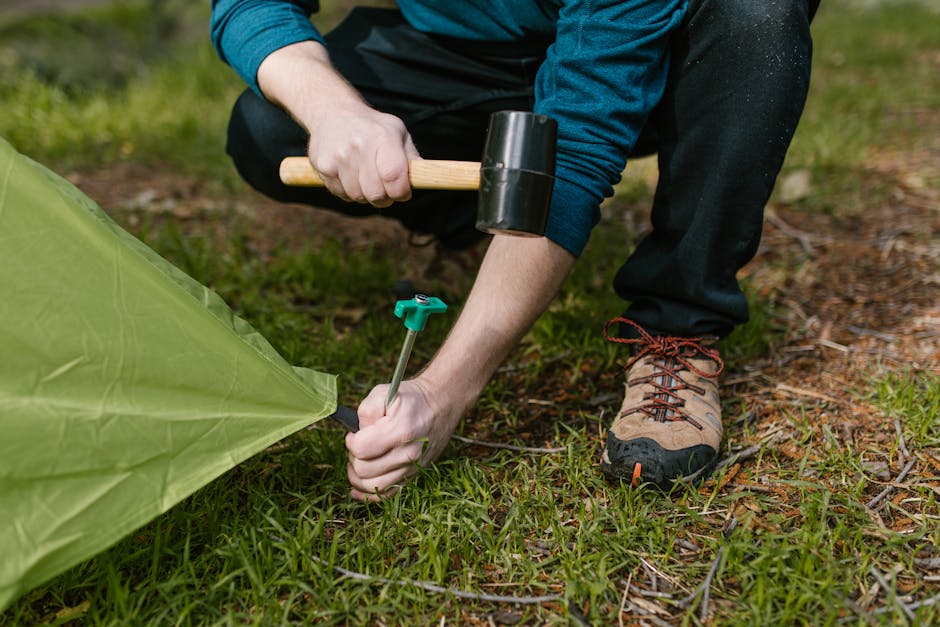
Once you’ve found the perfect spot, it’s time to set up your tent. Start by laying out a ground tarp to protect the bottom of your tent from moisture and sharp objects. Next, assemble your tent according to the manufacturer’s instructions. Make sure to stake down the corners and use guylines to secure the tent in case of wind.
After your tent is set up, it’s time to create a cozy sleeping area. Invest in a good quality sleeping bag and sleeping pad to ensure a comfortable night’s sleep. Place a lantern or headlamp near your sleeping area for easy access during the night.
Now that your sleeping area is all set, it’s time to think about cooking. If you’re planning on cooking over a campfire, make sure to check if fires are allowed in your campsite and follow any regulations in place. If not, a portable camping stove is a great alternative. Don’t forget to bring a cooler for storing perishable food items.
Setting up a camp kitchen is also important. Invest in a sturdy camping table and a set of cookware that is suitable for outdoor cooking. Don’t forget essentials like a cutting board, knife, and utensils. Keep your camp kitchen organized by storing food items in sealable containers and using a hanging organizer for utensils.
When it comes to setting up your campsite like a pro, organization is key. Keep your gear organized by using storage bins or duffel bags to keep everything in its place. Create designated areas for different items, such as a clothesline for wet clothes or a designated spot for dirty dishes.
Lastly, don’t forget about safety. Make sure to familiarize yourself with the area’s wildlife and any potential hazards. Keep a first aid kit on hand and know how to use it in case of emergencies. Always follow Leave No Trace principles and pack out all trash to leave the campsite as you found it.
By following these tips for setting up your campsite like a pro, you’ll be well on your way to a successful camping trip. Remember to take your time and enjoy the great outdoors – happy camping!