Camping etiquette for beginners
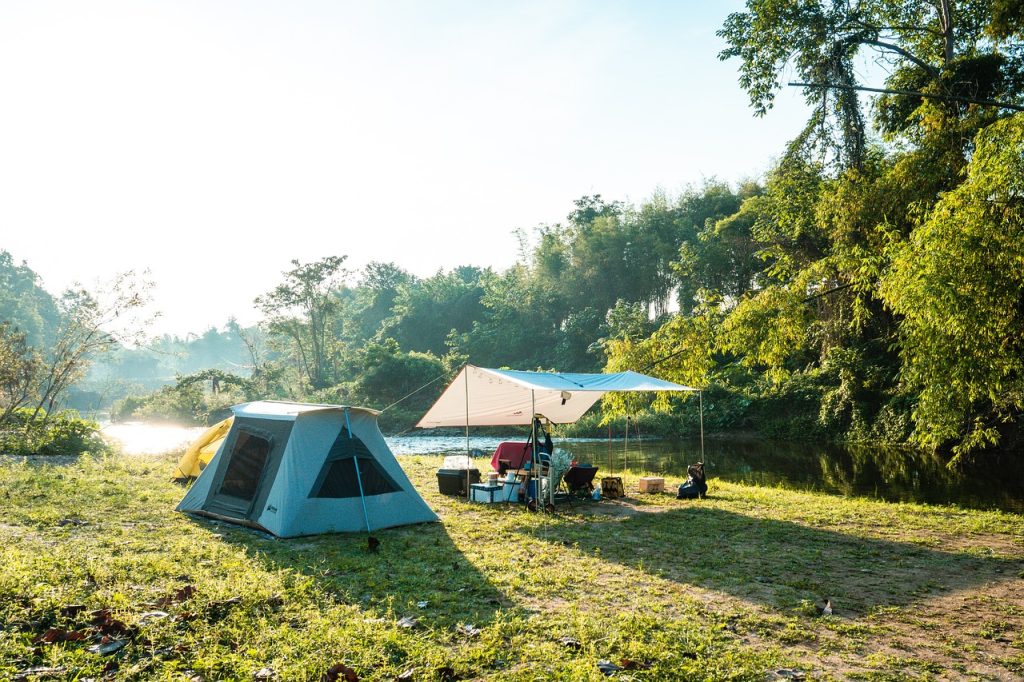
Proper Campsite Cleanup Procedures
As a new camper, I’ve often wondered if there was any etiquette I should be adhering to. After all, I want to make friends, not enemies! Good etiquette also helps preserve the natural beauty of the great outdoors for future generations to enjoy.
One of the most important things to remember when camping is to always leave no trace. This means packing out everything you bring in, including trash, food scraps, and any other waste. It’s important to bring along trash bags and recycling bins to properly dispose of your garbage. Remember, leaving trash behind not only harms the environment, but it can also attract unwanted wildlife to the campsite.
When it comes to food scraps, it’s important to properly dispose of them to avoid attracting animals to your campsite. Make sure to pack away any leftover food in airtight containers and dispose of it in designated trash bins. Avoid leaving food scraps out in the open, as this can lead to animals rummaging through your campsite looking for a snack.
Another important aspect of campsite cleanup is to properly extinguish your campfire. Always make sure to fully extinguish your campfire before leaving the campsite or going to bed. This means pouring water over the fire and stirring the ashes until they are cool to the touch. Never leave a campfire unattended, as this can lead to wildfires and cause harm to the surrounding environment.
In addition to cleaning up after yourself, it’s also important to be mindful of your impact on the environment while camping. Avoid damaging vegetation by sticking to designated trails and campsites. Be respectful of wildlife by observing from a distance and not feeding them. Remember, you are a guest in their home, so treat the natural world with care and respect.
If you’re camping in a group, make sure everyone is on the same page when it comes to campsite cleanup procedures. Assign tasks to each member of the group, such as collecting trash, extinguishing the campfire, and packing up gear. By working together, you can ensure that the campsite is left clean and pristine for the next group of campers to enjoy.
Overall, proper campsite cleanup procedures are essential for maintaining the beauty and integrity of the natural world. By following these simple guidelines, you can do your part to preserve the environment and ensure that future generations can continue to enjoy the great outdoors. So, next time you’re out camping, remember to leave no trace and leave the campsite cleaner than you found it. Happy camping!
Respecting Quiet Hours and Noise Levels
So you’ve decided to embark on your first camping trip – congratulations! Camping can be a wonderful way to connect with nature, unwind, and create lasting memories. However, it’s important to remember that camping etiquette is crucial to ensure that everyone has an enjoyable experience. In this article, we’ll be discussing the importance of respecting quiet hours and noise levels while camping, especially for beginners.
One of the most important aspects of camping etiquette is being mindful of quiet hours. Quiet hours typically begin in the evening and extend into the early morning hours. This time is designated for campers to rest and relax without being disturbed by loud noises. It’s important to be considerate of your fellow campers and adhere to these quiet hours to ensure that everyone can enjoy a peaceful night’s sleep.
When setting up your campsite, be mindful of the noise you are making. Avoid slamming car doors, talking loudly, or playing music at a high volume. Remember that sound travels easily in a campground, so even small noises can be disruptive to others. If you arrive at your campsite late at night, try to set up your tent and get settled as quietly as possible to avoid disturbing your neighbors.
During quiet hours, it’s important to keep noise levels to a minimum. This means refraining from playing loud music, having loud conversations, or engaging in any activities that could disturb others. If you need to have a conversation with your fellow campers, try to keep your voices low and be mindful of the noise level. Remember that many campers come to the great outdoors to enjoy the peace and tranquility of nature, so it’s important to respect their desire for a quiet environment.
If you plan on having a campfire during quiet hours, be sure to keep the noise level down. Avoid chopping wood or making loud noises near the campfire, as this can be disruptive to others. Additionally, be mindful of the volume of your conversations and laughter while sitting around the campfire. While it’s natural to want to socialize and have a good time, it’s important to be respectful of those around you who may be trying to sleep.
If you find yourself in a campground where noise levels are becoming a problem, don’t be afraid to speak up. Politely approach the campers who are being loud and kindly ask them to keep the noise down. Most campers will appreciate the reminder and will make an effort to be more considerate of their neighbors. Remember that camping is a communal experience, and it’s important to work together to create a peaceful and enjoyable environment for everyone.
In conclusion, respecting quiet hours and noise levels is an essential part of camping etiquette for beginners. By being mindful of the noise you are making, keeping noise levels to a minimum during quiet hours, and addressing any noise issues that arise, you can ensure that everyone has a positive camping experience. So pack your gear, head out into the great outdoors, and remember to be respectful of your fellow campers. Happy camping!
Following Leave No Trace Principles
So you’ve decided to embark on your first camping trip – congratulations! Camping is a fantastic way to connect with nature, unwind, and create lasting memories. However, it’s important to remember that with great outdoor adventures comes great responsibility. One of the key principles to keep in mind when camping is to follow Leave No Trace principles. These guidelines are designed to help minimize our impact on the environment and ensure that future generations can enjoy the great outdoors as much as we do.
One of the most important Leave No Trace principles is to pack out what you pack in. This means that you should always bring a trash bag with you and make sure to properly dispose of all your waste. This includes not only food wrappers and empty water bottles but also things like orange peels and apple cores. Even biodegradable items can take a long time to break down in the wilderness, so it’s best to take everything with you when you leave.
Another key principle is to respect wildlife. While it can be tempting to try and get up close and personal with the local fauna, it’s important to remember that we are visitors in their home. Keep a safe distance from animals, never feed them, and always store your food in a secure container to prevent attracting unwanted guests to your campsite. By respecting wildlife, you can help ensure that they continue to thrive in their natural habitat.
When setting up your campsite, be mindful of where you pitch your tent. Look for designated campsites or areas that have already been impacted by human activity. Avoid trampling on vegetation and try to leave the area as you found it. Remember, the goal is to leave no trace of your presence behind.
Campfires are a quintessential part of the camping experience, but they can also have a significant impact on the environment if not managed properly. Before starting a fire, check to see if there are any fire restrictions in place in the area where you are camping. Use existing fire rings when possible and always make sure to fully extinguish your fire before leaving your campsite. This means dousing the flames with water and stirring the ashes until they are cool to the touch.
Finally, be considerate of other campers. Keep noise levels down, especially at night, and respect quiet hours. If you’re camping in a group, be mindful of how your activities may impact those around you. Remember, everyone is out in nature to enjoy the peace and tranquility it has to offer.
By following these Leave No Trace principles, you can help ensure that your camping trip is not only enjoyable for you but also sustainable for the environment. Remember, we all have a responsibility to protect and preserve our natural spaces for future generations to enjoy. So pack your bags, hit the trails, and remember to leave no trace behind. Happy camping!