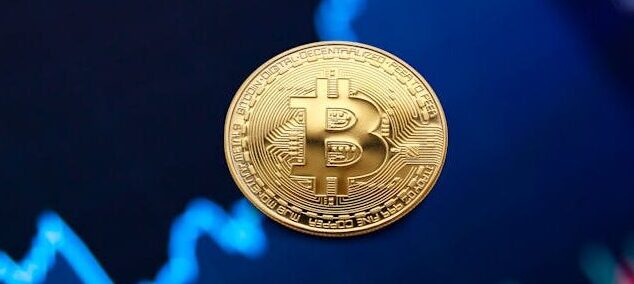

Do physical bitcoins or altcoins actually carry value?

Do physical bitcoins or altcoins actually carry value?
Pros and Cons of Investing in Physical Bitcoins and Altcoins
Have you ever heard of physical bitcoins or altcoins? These are physical representations of digital cryptocurrencies like Bitcoin, Ethereum, or Litecoin. Some people believe that owning physical coins can add a sense of tangibility and security to their investments. But do these physical coins actually hold any value beyond their digital counterparts?
One of the main advantages of physical bitcoins and altcoins is that they can serve as a collector’s item. Just like rare stamps or coins, physical cryptocurrencies can have unique designs and limited editions that make them valuable to collectors. Some people enjoy collecting these coins as a hobby, and the rarity of certain designs can drive up their value over time.
Another benefit of physical coins is that they can be a great way to introduce newcomers to the world of cryptocurrencies. For those who are unfamiliar with digital wallets and online exchanges, physical coins provide a tangible representation of what cryptocurrencies are and how they work. This hands-on approach can help demystify the concept of digital currencies and make it more accessible to a wider audience.
On the other hand, there are some drawbacks to investing in physical bitcoins and altcoins. One of the main concerns is security. Unlike digital currencies that can be stored in secure wallets and exchanges, physical coins can be lost, stolen, or damaged. If you lose your physical coin, there is no way to recover it, and you could potentially lose your entire investment.
Another downside is the lack of liquidity. While digital cryptocurrencies can be easily bought and sold on online exchanges, physical coins require finding a buyer who is willing to pay the price you are asking. This can make it more difficult to cash out your investment quickly if you need to access your funds in a hurry.
In addition, the value of physical coins is not tied to the actual value of the underlying cryptocurrency. The price of physical coins is often determined by factors like rarity, design, and demand from collectors, rather than the market value of the digital currency itself. This means that the value of physical coins can be more volatile and unpredictable than their digital counterparts.
In conclusion, physical bitcoins and altcoins can be an interesting and unique way to invest in cryptocurrencies. They can serve as collector’s items, educational tools, and conversation starters. However, they also come with their own set of risks and limitations. If you are considering investing in physical coins, it is important to weigh the pros and cons carefully and make sure you understand the potential risks involved. Ultimately, the decision to invest in physical coins should be based on your individual preferences and risk tolerance.
How to Verify the Authenticity and Value of Physical Cryptocurrencies
Have you ever heard of physical bitcoins or altcoins? These are physical representations of digital cryptocurrencies like Bitcoin, Litecoin, or Ethereum. While the concept may seem a bit confusing at first, physical cryptocurrencies can actually be a fun and unique way to hold and trade digital assets. But do these physical coins actually carry any value? In this article, we will explore how to verify the authenticity and value of physical cryptocurrencies.
When it comes to physical bitcoins or altcoins, the first thing you need to do is verify that the coin is authentic. Just like with any other collectible or valuable item, there are counterfeiters out there looking to make a quick buck. One way to verify the authenticity of a physical cryptocurrency is to check for a hologram or tamper-evident seal. These security features are often used by reputable manufacturers to ensure that the coin is genuine.
Another way to verify the authenticity of a physical cryptocurrency is to check the public key associated with the coin. Each digital cryptocurrency has a unique public key that is used to verify transactions on the blockchain. By checking the public key of a physical coin, you can ensure that it is linked to a legitimate digital asset.
Once you have verified the authenticity of a physical cryptocurrency, the next step is to determine its value. Just like with digital cryptocurrencies, the value of physical coins can fluctuate based on market demand and supply. One way to determine the value of a physical cryptocurrency is to check online marketplaces or auction sites to see what similar coins are selling for.
It’s also important to consider the rarity and condition of the physical coin when determining its value. Coins that are in mint condition or have unique designs may be more valuable to collectors. Additionally, limited edition coins or coins from reputable manufacturers may also fetch a higher price.
When buying or selling physical cryptocurrencies, it’s important to do your research and only deal with reputable sellers. There have been instances of counterfeit physical coins being sold online, so it’s crucial to verify the authenticity of the coin before making a purchase.
In conclusion, physical bitcoins and altcoins can be a fun and unique way to hold and trade digital assets. By verifying the authenticity and value of a physical cryptocurrency, you can ensure that you are getting a legitimate and valuable collectible. Remember to check for security features, verify the public key, and consider the rarity and condition of the coin when determining its value. With a little bit of research and caution, you can enjoy the world of physical cryptocurrencies and add some excitement to your digital asset portfolio.
The Future of Physical Cryptocurrencies in the Digital Age
Have you ever heard of physical bitcoins or altcoins? Yes, you read that right – physical cryptocurrencies that you can hold in your hand. It may sound like a paradox, considering that cryptocurrencies are digital assets that exist solely in the virtual world. But physical bitcoins and altcoins do exist, and they have sparked a debate among crypto enthusiasts about their value and relevance in the digital age.
At first glance, physical bitcoins and altcoins may seem like novelty items or collector’s items. After all, why would anyone want a physical representation of a digital currency when they can easily access and trade it online? However, proponents of physical cryptocurrencies argue that they serve as a tangible reminder of the value and potential of digital assets. Holding a physical bitcoin or altcoin in your hand can make the concept of cryptocurrency more tangible and real, especially for those who are new to the world of digital currencies.
But do physical bitcoins and altcoins actually carry any real value? Some argue that they do, pointing to the fact that physical cryptocurrencies are often made from precious metals like gold or silver, which have intrinsic value in the physical world. In addition, physical bitcoins and altcoins are often limited in supply, making them rare and collectible items that can appreciate in value over time. For example, a physical bitcoin made from solid gold could be worth far more than its face value in the future.
On the other hand, skeptics argue that physical bitcoins and altcoins are nothing more than gimmicks designed to capitalize on the popularity of cryptocurrencies. They point out that the value of physical cryptocurrencies is not tied to the value of the digital currency they represent, making them essentially worthless from a practical standpoint. In addition, the security risks associated with physical cryptocurrencies, such as the risk of theft or loss, make them a less secure option for storing and trading digital assets.
Despite the debate surrounding their value, physical bitcoins and altcoins continue to attract interest from collectors and investors alike. Some see them as a way to diversify their cryptocurrency holdings and add a unique piece to their collection, while others view them as a fun and novel way to engage with the world of digital currencies. In a world where everything is becoming increasingly digital, physical cryptocurrencies offer a tangible connection to the virtual world of cryptocurrencies.
In conclusion, the value of physical bitcoins and altcoins ultimately comes down to personal preference and perspective. While some may see them as valuable and collectible items, others may view them as nothing more than novelty items with little practical use. Whether you choose to invest in physical cryptocurrencies or stick to digital assets, it’s important to do your research and consider the risks and benefits of each option. After all, the world of cryptocurrencies is constantly evolving, and it’s up to you to decide how you want to engage with this exciting and innovative technology.