

Cryptocurrency Prices, Charts and Market Capitalizations
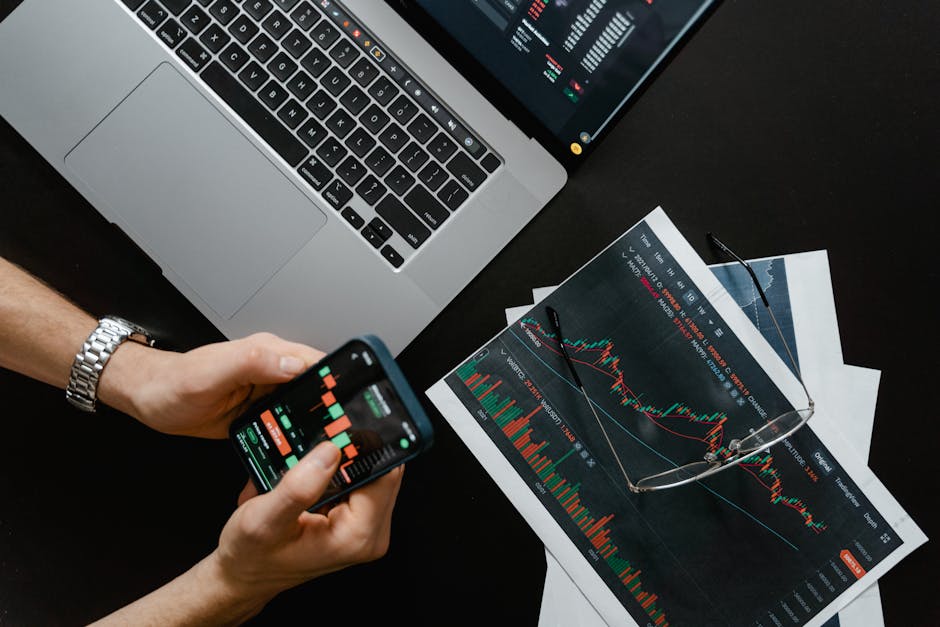
Cryptocurrency Prices, Charts and Market Capitalizations
Analyzing the Impact of Market Sentiment on Cryptocurrency Prices
Cryptocurrency prices, charts, and market capitalizations are constantly fluctuating in the volatile world of digital currencies. One of the key factors that influence these changes is market sentiment. Market sentiment refers to the overall feeling or attitude of investors towards a particular asset or market. In the case of cryptocurrencies, market sentiment can have a significant impact on prices and market capitalizations.
When investors are feeling optimistic about a particular cryptocurrency, they are more likely to buy and hold onto it, driving up the price. On the other hand, when investors are feeling pessimistic, they may sell off their holdings, causing the price to drop. This cycle of buying and selling based on sentiment can create a feedback loop that amplifies price movements in either direction.
One way to gauge market sentiment is to look at social media and news sources. Platforms like Twitter, Reddit, and Telegram are popular among cryptocurrency enthusiasts for discussing market trends and sharing news. By monitoring these platforms, investors can get a sense of the overall sentiment towards a particular cryptocurrency. Positive news and discussions can lead to a surge in prices, while negative news can cause a sell-off.
Another way to analyze market sentiment is through technical analysis. By studying price charts and indicators, investors can identify patterns and trends that may indicate shifts in sentiment. For example, a sudden spike in trading volume accompanied by a sharp increase in price could signal bullish sentiment, while a drop in volume and price could indicate bearish sentiment.
It’s important to note that market sentiment is not always rational. Emotions like fear and greed can drive investors to make impulsive decisions that may not be based on sound analysis. This can lead to exaggerated price movements that do not reflect the true value of a cryptocurrency.
In addition to social media and technical analysis, market sentiment can also be influenced by external factors such as regulatory news, macroeconomic trends, and geopolitical events. For example, a government crackdown on cryptocurrency exchanges or a global economic crisis can create uncertainty and fear among investors, leading to a sell-off.
Despite the influence of market sentiment on cryptocurrency prices, it’s important for investors to take a long-term view and not get caught up in short-term fluctuations. Cryptocurrency markets are notoriously volatile, and prices can swing wildly based on sentiment alone. By conducting thorough research and staying informed, investors can make more informed decisions and avoid falling victim to emotional trading.
In conclusion, market sentiment plays a crucial role in shaping cryptocurrency prices, charts, and market capitalizations. By understanding the factors that influence sentiment and staying informed, investors can navigate the volatile world of digital currencies more effectively. Remember to take a long-term view and not let emotions drive your investment decisions. Happy trading!
Understanding Technical Analysis Tools for Cryptocurrency Charts
Cryptocurrency prices, charts, and market capitalizations can be overwhelming for beginners in the world of digital assets. With so many different coins and tokens to choose from, it can be difficult to know where to start. One way to make sense of the chaos is by using technical analysis tools to analyze cryptocurrency charts.
Technical analysis is a method used to evaluate investments and identify trading opportunities by analyzing statistical trends gathered from trading activity, such as price movement and volume. In the world of cryptocurrency, technical analysis can be particularly useful due to the volatile nature of digital assets.
One of the most common technical analysis tools used in cryptocurrency trading is the moving average. Moving averages are used to smooth out price data and identify trends over a specific period of time. By plotting moving averages on a cryptocurrency chart, traders can identify potential entry and exit points for their trades.
Another popular technical analysis tool is the Relative Strength Index (RSI). The RSI is a momentum oscillator that measures the speed and change of price movements. Traders use the RSI to determine whether a cryptocurrency is overbought or oversold, which can help them make informed trading decisions.
Bollinger Bands are another technical analysis tool that can be useful for cryptocurrency traders. Bollinger Bands consist of a simple moving average and two standard deviations plotted above and below the moving average. Traders use Bollinger Bands to identify potential price breakouts and reversals in the market.
Fibonacci retracement levels are also commonly used in cryptocurrency trading. Fibonacci retracement levels are horizontal lines that indicate potential support and resistance levels based on the Fibonacci sequence. Traders use Fibonacci retracement levels to identify key price levels where a cryptocurrency may reverse its trend.
Volume analysis is another important technical analysis tool for cryptocurrency traders. Volume analysis measures the amount of trading activity in a cryptocurrency over a specific period of time. By analyzing volume data, traders can determine the strength of a price movement and confirm potential trend reversals.
While technical analysis tools can be helpful in analyzing cryptocurrency charts, it’s important to remember that they are not foolproof. Cryptocurrency markets are highly volatile and unpredictable, and no technical analysis tool can guarantee success in trading. It’s essential to combine technical analysis with fundamental analysis and market research to make informed trading decisions.
In conclusion, understanding technical analysis tools for cryptocurrency charts can help traders navigate the complex world of digital assets. By using moving averages, RSI, Bollinger Bands, Fibonacci retracement levels, and volume analysis, traders can identify potential trading opportunities and make informed decisions. However, it’s crucial to remember that technical analysis is just one piece of the puzzle when it comes to successful cryptocurrency trading. It’s essential to stay informed, do your research, and never invest more than you can afford to lose in the volatile world of cryptocurrencies.
Exploring the Relationship Between Market Capitalizations and Price Volatility in Cryptocurrency Markets
Cryptocurrency has taken the financial world by storm in recent years, with more and more people investing in digital assets like Bitcoin, Ethereum, and Litecoin. One of the key factors that investors look at when deciding which cryptocurrencies to buy or sell is market capitalization. Market capitalization is a measure of the total value of a cryptocurrency, calculated by multiplying the current price of the coin by the total number of coins in circulation.
Market capitalization plays a crucial role in determining the price volatility of a cryptocurrency. Generally speaking, cryptocurrencies with higher market capitalizations tend to be less volatile than those with lower market capitalizations. This is because larger market capitalizations indicate that a cryptocurrency has a larger user base and more liquidity, making it less susceptible to sudden price swings.
For example, Bitcoin, the largest cryptocurrency by market capitalization, has historically been less volatile than smaller altcoins like Dogecoin or Shiba Inu. This is because Bitcoin has a larger market capitalization and a more established user base, which helps to stabilize its price. On the other hand, smaller altcoins with lower market capitalizations can experience wild price fluctuations due to their smaller user bases and lower liquidity.
However, it’s important to note that market capitalization is not the only factor that influences price volatility in cryptocurrency markets. External factors such as regulatory developments, market sentiment, and macroeconomic trends can also impact the price of a cryptocurrency. For example, news of a regulatory crackdown on cryptocurrency trading in a major market like China can cause prices to plummet across the board, regardless of market capitalization.
In addition, market capitalization can also be influenced by price volatility. When the price of a cryptocurrency experiences a sharp increase or decrease, its market capitalization will also change accordingly. This can create a feedback loop where price volatility leads to changes in market capitalization, which in turn can impact price volatility.
Despite these complexities, market capitalization remains a key metric for investors looking to assess the stability and growth potential of a cryptocurrency. By analyzing market capitalizations and price volatility, investors can make more informed decisions about which cryptocurrencies to buy or sell. It’s important to remember that investing in cryptocurrency carries inherent risks, and it’s always a good idea to do thorough research and consult with a financial advisor before making any investment decisions.
In conclusion, market capitalization and price volatility are closely intertwined in cryptocurrency markets. While larger market capitalizations generally indicate lower price volatility, external factors and market dynamics can also impact the price of a cryptocurrency. By understanding the relationship between market capitalizations and price volatility, investors can navigate the complex world of cryptocurrency trading with more confidence and clarity.