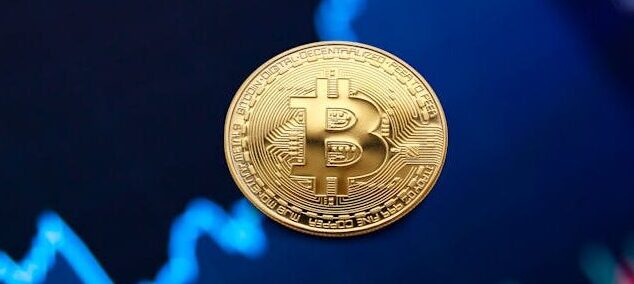

What makes Bitcoin value higher than the other cryptocurrencies?

What makes Bitcoin value higher than the other cryptocurrencies?
Limited Supply of Bitcoin
Bitcoin, the original cryptocurrency, has been making headlines for its skyrocketing value in recent years. But what exactly makes Bitcoin stand out from the thousands of other cryptocurrencies on the market? One key factor that sets Bitcoin apart is its limited supply.
Unlike traditional currencies that can be printed endlessly by central banks, Bitcoin has a fixed supply cap of 21 million coins. This means that there will never be more than 21 million Bitcoins in existence, making it a scarce and valuable asset. This limited supply is built into the code of Bitcoin and cannot be changed, ensuring that the value of each Bitcoin will only increase over time.
The scarcity of Bitcoin is a major driving force behind its high value. As more people become interested in investing in cryptocurrencies, the demand for Bitcoin continues to rise. With a limited supply and increasing demand, the price of Bitcoin has been steadily climbing, making it one of the most valuable cryptocurrencies on the market.
In contrast, many other cryptocurrencies have unlimited or significantly larger supplies, which can lead to inflation and devaluation over time. Without a cap on the total supply, these cryptocurrencies may struggle to maintain their value in the long run. Investors are drawn to Bitcoin for its scarcity and the potential for long-term growth.
Another factor that contributes to Bitcoin’s higher value is its first-mover advantage. As the first cryptocurrency ever created, Bitcoin has established itself as the gold standard in the world of digital currencies. It has a proven track record of security and reliability, making it a trusted investment for many individuals and institutions.
Bitcoin’s widespread adoption and acceptance also play a role in its high value. More and more businesses are starting to accept Bitcoin as a form of payment, further legitimizing its status as a valuable asset. With a growing network of users and merchants, Bitcoin has become a mainstream form of currency that is here to stay.
In addition to its limited supply and first-mover advantage, Bitcoin also benefits from its decentralized nature. Unlike traditional currencies that are controlled by governments and central banks, Bitcoin operates on a peer-to-peer network that is not controlled by any single entity. This decentralization gives Bitcoin a level of security and autonomy that is unmatched by other cryptocurrencies.
Overall, the combination of limited supply, first-mover advantage, widespread adoption, and decentralization makes Bitcoin a highly valuable and sought-after asset. As the cryptocurrency market continues to evolve, Bitcoin is likely to remain at the forefront as the most valuable and trusted digital currency. Its scarcity and unique features set it apart from the competition, making it a solid investment for those looking to diversify their portfolios.
Brand Recognition and Adoption
Bitcoin, the original cryptocurrency, has long been considered the gold standard in the world of digital currencies. But what exactly sets Bitcoin apart from the thousands of other cryptocurrencies that have emerged in its wake? One of the key factors that contributes to Bitcoin’s higher value compared to other cryptocurrencies is its brand recognition and widespread adoption.
When it comes to brand recognition, Bitcoin is in a league of its own. It was the first cryptocurrency to be created, back in 2009, by an unknown person or group of people using the pseudonym Satoshi Nakamoto. Since then, Bitcoin has become synonymous with the concept of digital currency, and its name is instantly recognizable to people all over the world. This widespread recognition gives Bitcoin a level of legitimacy and trust that many other cryptocurrencies simply do not have.
In addition to its brand recognition, Bitcoin also benefits from widespread adoption. While there are thousands of other cryptocurrencies out there, Bitcoin is by far the most widely used and accepted. It is accepted as a form of payment by a growing number of merchants and businesses, both online and offline. This level of adoption gives Bitcoin a level of utility that many other cryptocurrencies lack, making it a more attractive option for both consumers and investors.
Another factor that contributes to Bitcoin’s higher value is its limited supply. Unlike traditional currencies, which can be printed at will by central banks, Bitcoin has a fixed supply cap of 21 million coins. This scarcity helps to drive up the value of Bitcoin, as demand for the cryptocurrency continues to grow. In contrast, many other cryptocurrencies have unlimited or uncapped supplies, which can lead to inflation and devaluation over time.
Bitcoin’s decentralized nature is also a key factor in its higher value. Unlike traditional currencies, which are controlled by governments and central banks, Bitcoin operates on a decentralized network of computers around the world. This means that no single entity has control over Bitcoin, making it resistant to censorship and manipulation. This decentralization gives Bitcoin a level of security and stability that many other cryptocurrencies lack, further contributing to its higher value.
In conclusion, Bitcoin’s brand recognition, widespread adoption, limited supply, and decentralized nature all contribute to its higher value compared to other cryptocurrencies. While there are thousands of other digital currencies out there, Bitcoin remains the gold standard in the world of cryptocurrency. Its name is synonymous with digital currency, and its widespread acceptance and utility make it a more attractive option for both consumers and investors. As the cryptocurrency market continues to evolve, Bitcoin’s position as the top digital currency is likely to remain unchallenged for the foreseeable future.
Perceived Store of Value
Bitcoin, the original cryptocurrency, has long been considered the gold standard in the world of digital currencies. But what exactly sets Bitcoin apart from the thousands of other cryptocurrencies that have emerged in its wake? One key factor that contributes to Bitcoin’s higher value compared to other cryptocurrencies is its perceived store of value.
When it comes to investing in cryptocurrencies, many people view Bitcoin as a safe bet. This is largely due to its status as the first cryptocurrency to gain widespread adoption and recognition. Bitcoin has been around since 2009, and over the years, it has proven itself to be a reliable and secure form of digital currency. This track record has helped to solidify Bitcoin’s reputation as a store of value, making it a popular choice for investors looking to hedge against economic uncertainty.
In addition to its longevity, Bitcoin also benefits from its limited supply. Unlike traditional fiat currencies, which can be printed at will by central banks, Bitcoin has a fixed supply cap of 21 million coins. This scarcity helps to create a sense of value and exclusivity around Bitcoin, driving up demand and ultimately increasing its price. In contrast, many other cryptocurrencies have unlimited or uncapped supplies, which can lead to inflation and devaluation over time.
Another factor that contributes to Bitcoin’s perceived store of value is its widespread acceptance and use. Bitcoin is accepted by a growing number of merchants and businesses around the world, making it easier for people to buy goods and services with the cryptocurrency. This level of adoption helps to reinforce Bitcoin’s value and legitimacy in the eyes of the public, further solidifying its position as a store of value.
Furthermore, Bitcoin’s decentralized nature sets it apart from many other cryptocurrencies. Bitcoin operates on a peer-to-peer network, meaning that transactions are verified and recorded by a network of users rather than a central authority. This decentralization helps to protect Bitcoin from government interference and manipulation, making it a more secure and reliable store of value in the eyes of many investors.
Of course, Bitcoin’s perceived store of value is not without its critics. Some skeptics argue that Bitcoin’s value is purely speculative and not backed by any tangible assets. They point to the volatility of the cryptocurrency market as evidence that Bitcoin’s value is based more on hype and speculation than on any real-world utility.
While it’s true that Bitcoin’s value can be influenced by market sentiment and speculation, it’s important to remember that all forms of currency derive their value from the trust and confidence of the people who use them. In this sense, Bitcoin is no different from traditional fiat currencies like the US dollar or the euro. As long as people continue to believe in the value of Bitcoin and use it as a medium of exchange, it will retain its status as a store of value.
In conclusion, Bitcoin’s perceived store of value is a key factor that sets it apart from other cryptocurrencies. Its longevity, limited supply, widespread acceptance, and decentralized nature all contribute to its reputation as a reliable and secure form of digital currency. While Bitcoin’s value may be subject to market fluctuations and speculation, its position as the original cryptocurrency and a trusted store of value is unlikely to be challenged anytime soon.